
Financial analysis of renting vs. buying decisions with long-term cost and wealth-building comparison.
The renting vs. buying decision is deeply personal and financially significant. This analysis helps you decide what makes financial sense for your situation.

Renting is primarily monthly cash outflow with no equity accumulation. Typical Cary rents: $1,200-$1,500 (1-bedroom), $1,600-$2,200 (2-bedroom), $2,500-$3,500 (3-bedroom). Renters typically pay first month, last month, deposit upfront ($3,200-$7,000). Rent increases 2-3% annually on lease renewal.
Buying requires substantial upfront capital: down payment (10-20% = $50K-$120K on $500K home) and closing costs (2-5% = $10K-$25K). Monthly payments include mortgage, property taxes, insurance, maintenance. Total monthly: $3,500-$4,500 on $500K home at current rates.
Monthly rent: $2,000 (assuming 3-bedroom, increased annually 2%). Year 1: $24K. Year 10: ~$24K (accounting for increases). 10-year total: ~$240K cash outlay. No equity accumulation. Lifestyle flexibility (can move at lease end).
Down payment: $100K (20% on $500K). Closing costs: $15K. Monthly: $3,500 (mortgage) + $460 (taxes) + $100 (insurance) + $400 (maintenance) = $4,460/month = $535K over 10 years. Total invested: $100K + $15K + $535K = $650K. Equity at year 10: Home appreciated to $610K (2% annually), mortgage paid down $100K, total equity = $210K. Net wealth gain: $210K.
Renting: $240K cash outlay → $0 remaining. Buying: $650K cash outlay → $210K equity remaining. However, buying requires $115K more upfront cash and $2,460 more monthly than renting. If you can afford to buy and stay 5+ years, you build equity. If renting is only option due to insufficient down payment or uncertain future, renting is necessity, not choice.

When does buying beat renting? With 2% appreciation and $60K down payment, break-even occurs around year 4-5. After 5 years, buying builds significant equity advantage. After 10 years, advantage is substantial ($210K equity). After 30 years (mortgage payoff), home owner has paid-off home worth ~$900K (2% appreciation), while renter has paid $360K+ in rent with $0 equity. Wealth gap is extreme.
Renters can relocate easily (move costs ~$5K). Buyers relocating within 3 years often lose money after realtor fees (~6% = $30K on $500K home). If planning to relocate within 3 years, renting makes sense. If staying 5+ years, buying is superior.
HVAC fails ($5K). Roof leaks ($10K+). Owners absorb these costs. Renters call landlord. Maintenance costs can be substantial and unpredictable. If risk-averse, renting provides stability.
Our analysis assumes 2% appreciation. Markets fluctuate. If prices decline, buyer loses equity. In Cary specifically, strong fundamentals suggest appreciation likely, but not guaranteed. Renters avoid downside market risk.
Homeowners feel pride and control. Renters feel temporary. This psychological dimension affects decisions beyond finances. Many value homeownership's psychological benefits enough to choose buying despite financial uncertainty.
Homeowners can deduct mortgage interest and property taxes on federal taxes (if itemizing). On $500K mortgage at 6%, first-year interest ~$30K (deductible). Plus property taxes ~$6K (deductible). Combined deduction: $36K. If you're in 24% tax bracket, that's $8,640 annual tax savings. This substantially improves homeowning financial picture.
Homeowners can exclude $250K (single) or $500K (married) capital gains when selling primary residence. If your $500K home appreciates to $710K, the $210K gain is completely tax-free (married couple). This is powerful wealth-building advantage renters don't have.
Mortgages force monthly savings discipline. You must pay monthly or face foreclosure. This forced savings builds equity automatically. Renters who don't independently save won't build wealth. If you lack savings discipline, homeownership forces the behavior.
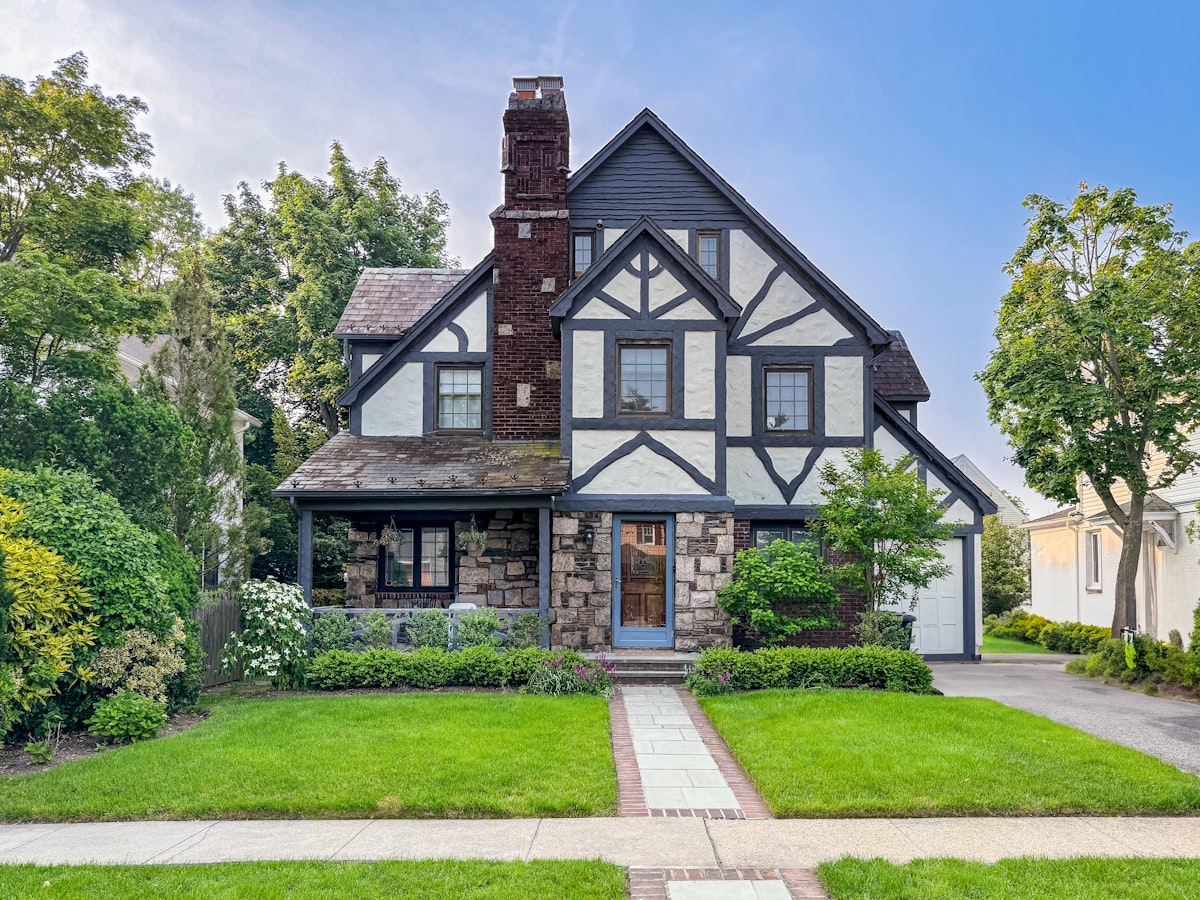
Many successful buyers rent 1-2 years initially, allowing them to: explore neighborhoods, save larger down payment, learn market conditions, stabilize new employment, understand true moving costs. Then buy with better information and larger down payment, reducing financial risk. Renting first is not failure; it's prudent strategy.
20s-early 30s: Uncertain future often favors renting. Career building, potential relocation, lower wealth accumulation. Buying works if stable employment and down payment available.
Mid-30s-40s: Family formation, career stability favor buying. This is optimal buying age for most people. Build equity during peak earning years.
50s-early 60s: Approaching retirement may trigger downsizing. Selling family home, moving to smaller property is common. Buying smaller property still builds wealth.
65+: Fixed income favors lower costs. Downsizing provides cash for retirement. Renting possible if sufficient retirement income. Some retirees prefer renting to eliminate maintenance burden.
Pure financial analysis strongly favors buying for those staying 5+ years. Building $200K+ equity over decade vs. zero equity renting is substantial. However, buying requires sufficient down payment, stable income, and commitment to stay. If flexible on timing, renting first then buying is prudent. Many people's wealth primarily comes from primary residence appreciation and mortgage paydown—it's forced savings and leverage creating wealth. For most permanent Cary residents, homeownership is financially superior strategy building long-term wealth.
