
Strategic guide for selling Cary homes including pricing, timing, staging, and marketing for maximum returns.
Selling your Cary home requires strategic pricing, timing, and marketing. Here's how to maximize your sale price and timeline.
Cary's market is balanced: median price $580K, average days on market 60 days. This isn't extreme seller's or buyer's market—it's healthy equilibrium. Multiple offers occur on desirable homes but aren't guaranteed. This market favors sellers with realistic pricing and good marketing; overpriced or poorly marketed homes languish.
Your realtor dramatically impacts sale outcomes. Interview 2-3 agents before choosing. Look for:
A good agent is worth the typical 5-6% commission ($29K-$35K on $580K home). Poor agent costs more in lost sale price than you save on commission.
Your agent prepares CMA comparing your home to recent comparable sales. Recent sales (within 3 months) in your neighborhood of similar size, age, and condition guide pricing. This is the most important data point. Analyze multiple comps; don't rely on single comp.
Aggressive pricing (5-10% above comps): Attracts few buyers, sits long, typically sells below asking anyway. Wastes time.
Market pricing (within 2% of comps): Attracts maximum interest, generates multiple offers quickly, typically sells at asking or above. Recommended.
Conservative pricing (5-10% below comps): Generates intense buyer interest, multiple offers, potential bidding wars. Maximizes sale price but may seem too cheap. Some sellers use this strategy to generate frenzy.
Most Cary sellers price within 2-5% of comps, generating good buyer interest without appearing overpriced. Pricing slightly below market generates competitive interest and multiple offers, potentially pushing final price above asking. This is proven successful in Cary's market.
Spring (April-May): Peak buying season. Maximum inventory, maximum competition, maximum buyer interest. Fast sales but in competitive market. Average time to sell: 50-60 days. Average sale price: highest (market peak).
Early Summer (June-July): Slightly less competitive than spring, still strong. Good season for selling.
Fall (September-October): Moderate competition. Excellent season—motivated buyers, good selection, strong market. 60-75 days average.
Winter (December-February): Low competition, fewer buyers, but serious motivated buyers present. 90-120 days average. However, serious buyers in winter often negotiate harder. Can be attractive if you can wait.
List immediately if comps support asking price. Waiting for "perfect" season means losing momentum. The best time to sell is when your home is ready and comps support pricing, regardless of season.
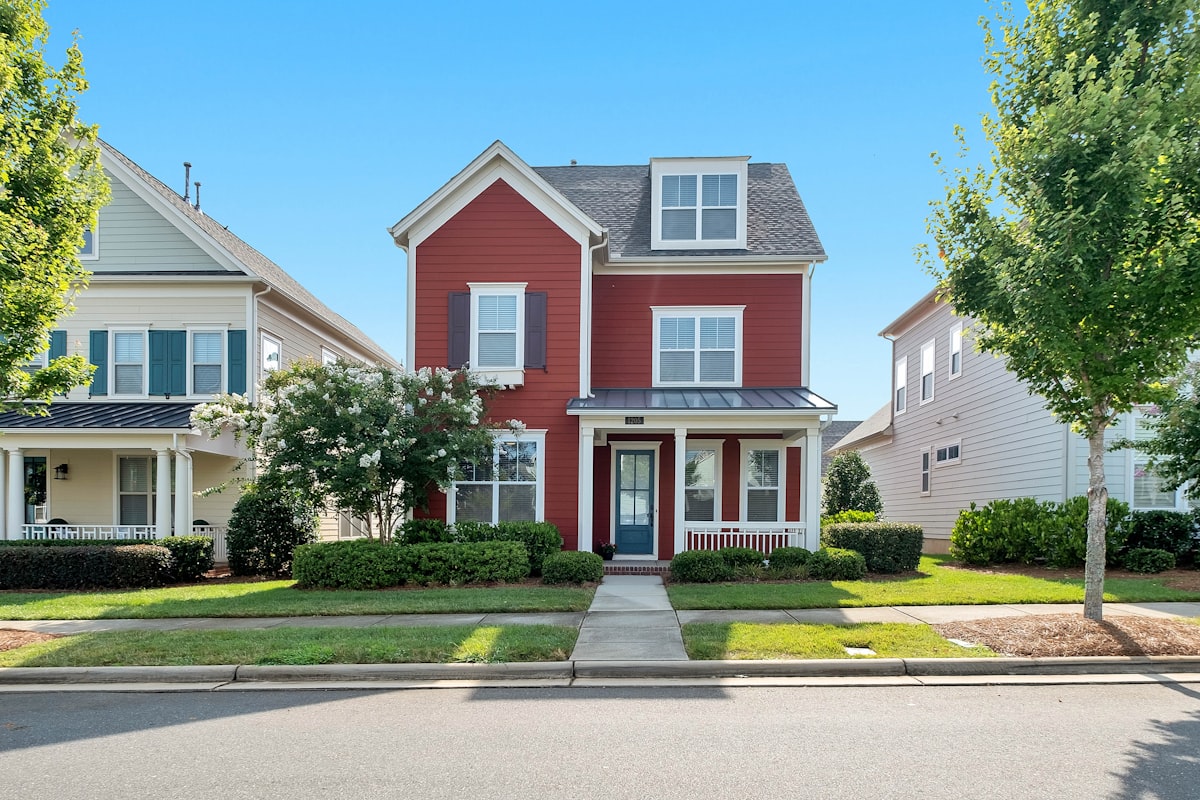
First impression is critical. Invest in curb appeal: fresh exterior paint if needed, landscaping, clean driveway/walkway, updated house numbers, attractive mailbox, landscaping lighting. Budget $1,000-$5,000. ROI on curb appeal: 100%+ (investment directly recovers in sale price).
Declutter, deep clean, neutralize colors, minor repairs, updated bathrooms/kitchens if budget allows. Staging (furniture arrangement to show space) costs $1,000-$3,000 but increases appeal. Staged homes sell faster and for higher prices.
Address critical issues: roof leaks, HVAC problems, plumbing, electrical. Budget $2,000-$10,000. Skipping major repairs means buyers discover them in inspection, demanding large credits. Fix first, ask full price. Budget repairs afterward.
Professional photography and video: Essential. Budget $500-$1,500. Quality photos dramatically increase buyer inquiry.
MLS listing: Most critical marketing tool. Ensure excellent description, accurate details, and professional presentation.
Internet marketing: Website, Zillow, Redfin, Facebook. Good agents have sophisticated internet marketing.
Open houses: Generates buyer traffic and referrals. Typically hold 2 open houses (weekend), if market supports.
Direct mail to agents: Agent networks drive sales. Direct marketing to other agents can generate deals.
When offers arrive, evaluate on multiple factors: price, financing (cash vs. mortgage), contingencies, closing date, buyer strength. Sometimes lower-price all-cash offer beats higher-price financed offer. Multiple competing offers allow negotiation—often drives price up. Let agents negotiate on your behalf rather than responding emotionally.
Buyer's inspector will identify issues. Expect buyer requests for repairs/credits based on inspection. Negotiate fairly; unreasonable demands warrant pushback. Appraisal must support purchase price; if appraisal comes low, expect price renegotiation.
Once accepted offer, work toward closing (typically 30-45 days). Provide title, HOA documents, warranties, home information. Resolve any final inspection issues. Closing takes 1-2 hours; sign final paperwork and transfer keys. Most closings happen smoothly if negotiation is clean.
Selling a Cary home successfully requires realistic pricing, good timing, professional marketing, and home preparation. Price within market comps, list spring-fall for fastest sales, stage and market professionally, and negotiate fairly. Homes priced right with good marketing typically sell in 60 days or less in Cary's balanced market. Follow this strategy and you'll maximize your sale price and speed.
