
Professional staging tips to make your Cary home more attractive to buyers and maximize sale price.
Home staging makes your property more appealing to buyers, selling faster and for higher prices. Here's a professional staging guide for Cary sellers.
Staging is arranging and presenting a home to appeal to maximum buyers. This involves decluttering, cleaning, minor repairs, furniture arrangement, lighting, and décor to showcase the home's potential. Staged homes sell 70% faster and for 5-10% higher prices than unstaged homes.
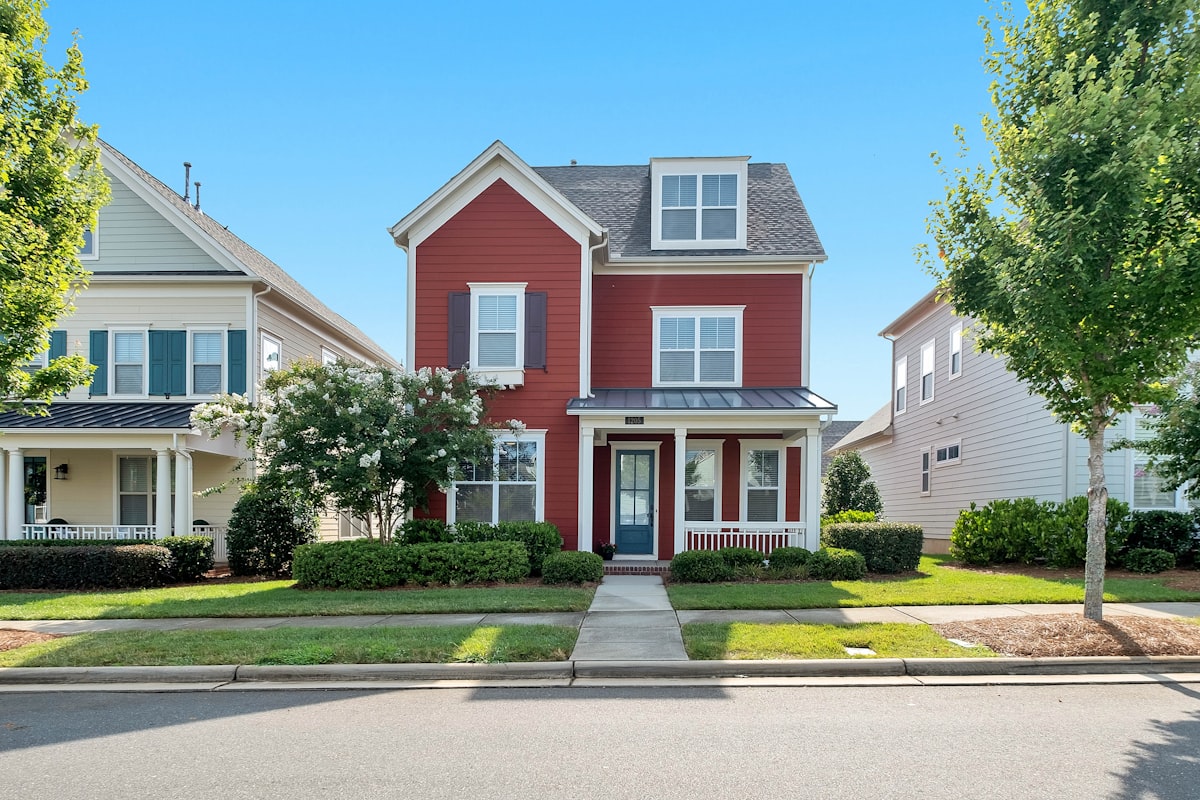
Landscaping: Trim hedges, cut grass, edge walkways. Remove dead plants. Add fresh flowers or mulch for color. Clean driveway and walkway—pressure wash if needed.
Front Door: Paint front door in neutral (dark blue, charcoal, sage green). Replace hardware if old. Add seasonal wreath or planter. Ensure house numbers are visible and updated.
Exterior Paint: If faded or dated, consider fresh paint. Neutral colors (grays, tans, whites) photograph well. Avoid bold colors that date homes.
Lighting: Add landscape lighting if lacking. Illuminate entryway and walkways. Well-lit homes feel safer and more inviting.
Windows: Clean windows inside and out. Wash screens. Repair or replace damaged screens. Open curtains/blinds to let light in.
Remove personal items: Pack away family photos, personal awards, religious items, political signs. Allow buyers to envision their family in the space.
Reduce furniture: Remove excess furniture making rooms feel cramped. Ideally 30-50% less furniture than normal. Buyers need to see floor space and room scale.
Organize storage: Half-full closets look larger. Pack seasonal items. Remove clutter from shelves. Organized homes sell better than cluttered ones.
Remove collections: Extensive collections (Pokémon, figurines, books) distract from home features. Pack them away.
Pet removal: Remove pet items, litter boxes, cages before showings. Some buyers have allergies. Fresh air (no pet odors) essential.
Deep clean: Professional cleaning ($300-$800) pays dividends. Dust, vacuum, mop, scrub kitchens and bathrooms thoroughly. Clean windows, light fixtures, baseboards.
Odor elimination: Remove cooking smells. Avoid strong perfumes or candles. Neutral scents (fresh linen, lightly vanilla) appeal to most. Never have smoking smells in a home you're selling.
Carpet and flooring: Shampoo carpets. Refinish hardwood if scuffed. Replace damaged flooring if budget allows.
Kitchen and bathroom: These are highest-scrutiny areas. Ensure spotless. Replace old cabinet hardware if inexpensive. Paint walls if dated colors.
Wall colors: Paint walls neutral (whites, soft grays, greiges). Bold colors distract. Neutral walls become blank canvas for buyers.
Flooring: Light hardwoods or light gray tile appeal broadly. Dark colors feel heavy. Light, bright flooring popular.
Artwork: Minimal artwork, focusing on size and scale. Avoid personal taste-heavy art. Neutral or nature themes appeal broadly.
Throw pillows and blankets: Use neutrals (whites, grays, beiges). Layering in neutral tones feels cozy without feeling dated.
Remove bold design: Floral wallpaper, bright accent walls, theme rooms feel dated. Neutral, timeless design appeals to maximum buyers.
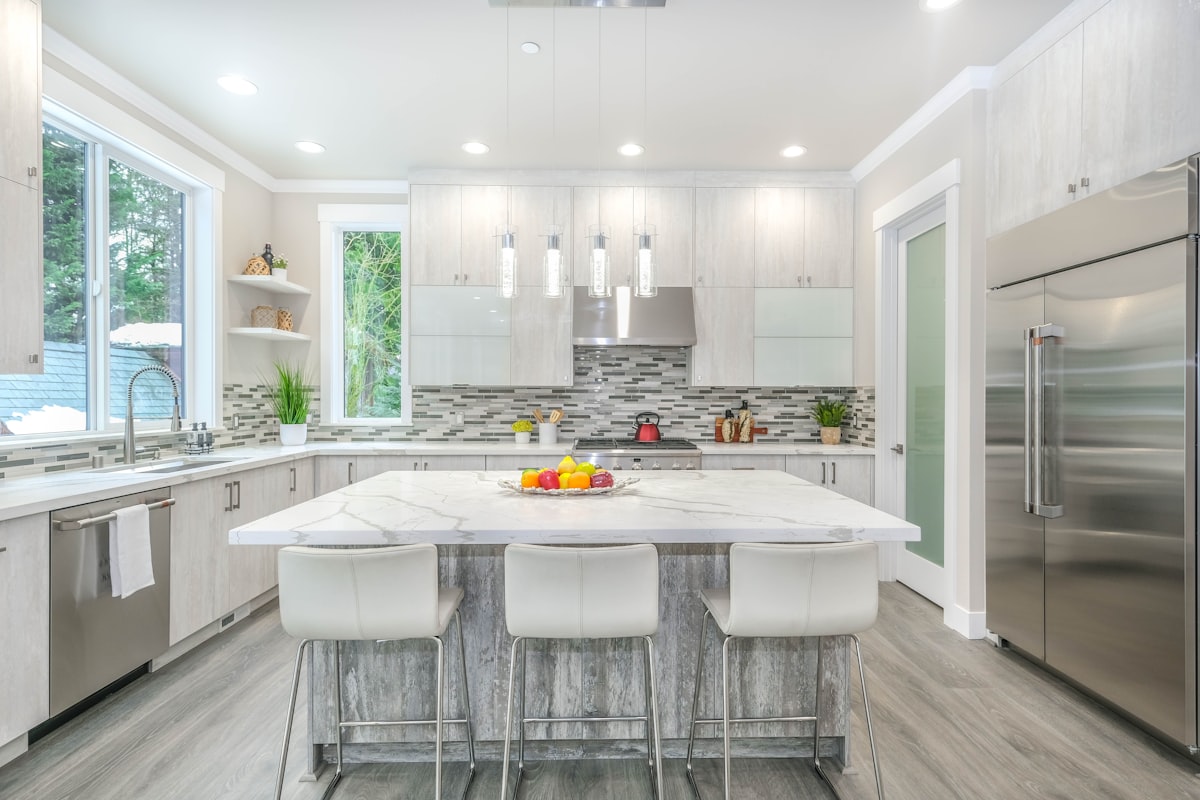
Maximize natural light: Open all curtains/blinds during showings. Clean windows. Trim trees blocking windows if possible. Natural light is free and powerful.
Interior lighting: Bright, warm lights appeal. Replace dim bulbs. Add lamps if rooms feel dark. Well-lit homes feel larger and safer.
Avoid dark rooms: Basements and bonus rooms should be well-lit. Dark rooms feel less valuable.
Kitchen: Clear countertops except essential appliances. Organize under-sink cabinets neatly. Replace grimy cabinet knobs. Add fresh fruit or flowers for color. New faucet or hardware ($100-$500) modernizes feel.
Bathrooms: Clear countertops completely. Organized medicine cabinets. Fluffy white towels. New shower curtain if old. Fresh grout repair if needed. Bathroom condition heavily influences buyer perception.
Master bedroom: Neutral, calming colors. Quality bedding in whites/tans. Minimal furniture. Ensure room feels spacious. Good lighting.
Guest bedrooms: Minimal furniture showing room scale. Fresh sheets and blanket. No clutter. Allow buyers to envision bedrooms for their family.
Living room: Arrange furniture floating from walls (shows room size). Minimal furniture. Coffee table with coffee table book (shows styling). Art or mirror on wall adding visual interest. Good lighting creating inviting space.
Dining room: If separate room, stage table nicely set or with simple flowers. Avoid oversized furniture making room feel cramped.
Patio/deck: Clean thoroughly. Minimal furniture. Ensure fence is maintained. Mature landscaping is asset; immature landscaping is neutral. Remove dead plants or trees.
Greenery: Add potted plants or flowers for color and life. Green spaces photograph well and appeal to buyers.
Professional staging costs $1,000-$3,000 but increases sale price 5-10%, easily justifying cost. However, DIY staging works too:
Invest in visible improvements (paint, landscaping, lighting). Skip expensive renovation (kitchens, bathrooms) unless major updates are needed.
Professional stagers ($1,500-$3,000) provide furniture, décor, and arrangement expertise. Results are dramatic. If budgeting, professional staging pays dividends through faster sales and higher prices.
Before showings: Open all curtains, turn on all lights, open windows for fresh air. Play soft background music. Fresh coffee or baked goods smell inviting.
During showings: Be absent or stay quiet. Buyers want to envision themselves; your presence intrudes.
After showings: Tidy anything buyers moved. Reset staged settings.
Unstaged homes: Sell in 90+ days, typically for 5-10% less than comps.
Staged homes: Sell in 50-60 days, typically for 5-10% more than comps.
15-day timing difference and 10% price difference = massive ROI on staging investment. Staging is essential for competitive markets.
Home staging transforms how buyers perceive your property. Declutter, clean thoroughly, paint neutrally, maximize lighting, and minimize personal items. Professional staging costs $1,500-$3,000 but generates 5-10% price premiums and 30-day faster sales. Even budget staging (DIY decluttering, painting, landscaping) yields significant improvements. Staging isn't optional in Cary's competitive market—it's essential for maximizing sale price and speed.
