
Understanding HOAs, architectural covenants, and safety features when buying in Cary neighborhoods.
Most Cary neighborhoods have homeowners associations (HOAs). Understanding HOA costs, covenants, and amenities is essential before buying. Additionally, Cary's safety reputation is earned—here's what supports it.
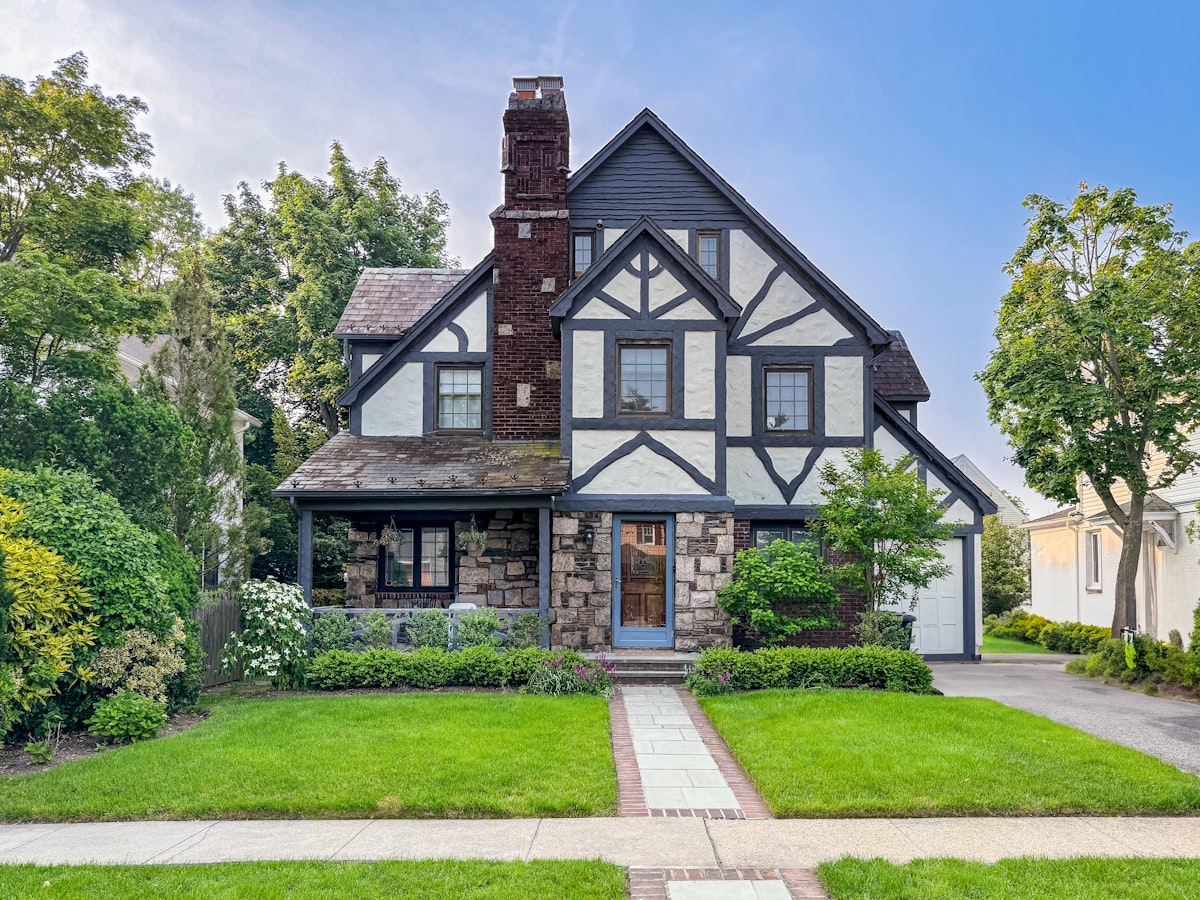
HOAs are organizations governing neighborhoods, enforcing property standards, maintaining common areas, and providing amenities. Most Cary neighborhoods have HOAs ensuring consistent property maintenance, aesthetic standards, and shared services. HOAs collect monthly/annual fees funding operations and improvements.
HOA fees typically range $200-$500 monthly ($2,400-$6,000 annually) depending on neighborhood and amenities. Preston and Amberly (established, well-maintained): $250-$400/month. MacGregor Downs (newer, extensive amenities): $350-$550/month. New construction (Weatherstone): higher initially ($400-$600/month) while amenities complete, stabilizing at $300-$500. Budget HOA fees when calculating total housing costs.
Before purchasing, review HOA governing documents including:
Review these documents thoroughly before buying. Restrictive covenants can significantly impact what you can do with your property.
Covenants are property restrictions protecting neighborhood character. Common Cary covenants: exterior colors (often limited to neutral tones), roof materials (typically asphalt shingles, tile, or metal), fence height and materials (often 6 feet max, wooden or vinyl), lawn maintenance standards (grass must be mowed regularly, weeds prohibited), satellite dishes (size and visibility restrictions), outdoor structures (sheds, pools, fire pits regulated), and vehicle parking (no commercial vehicles, recreational vehicles, boats typically excluded).

Most exterior changes require HOA approval (architectural review). Planning a new roof, deck, fence, or paint job? Submit plans to HOA for review. This process typically takes 2-4 weeks. Review requests rarely denied if they comply with covenants, but the process can be cumbersome. Ask HOA about typical approval timeline and procedures before buying.
HOAs enforce covenants through violation notices, fines, and liens. An unmaintained lawn or unauthorized paint color triggers HOA enforcement. Ongoing violations can result in fines ($50-$500+) and liens on your property. HOA enforcement varies significantly—some are strict, others lenient. Talk to current residents about HOA enforcement reputation before purchasing.
Before buying, review HOA financial statements. Look for:
Ask for these documents before purchasing. Any HOA with underfunded reserves may impose special assessments (additional fees) on homeowners for major repairs.
Unexpected major repairs can trigger special assessments—sudden, large fees owed by homeowners beyond regular HOA fees. A parking lot needing resurfacing ($500K cost split among 200 homes = $2,500 per home) is a common special assessment. Review HOA financial statements and meeting minutes for recent special assessments and upcoming known expenses.
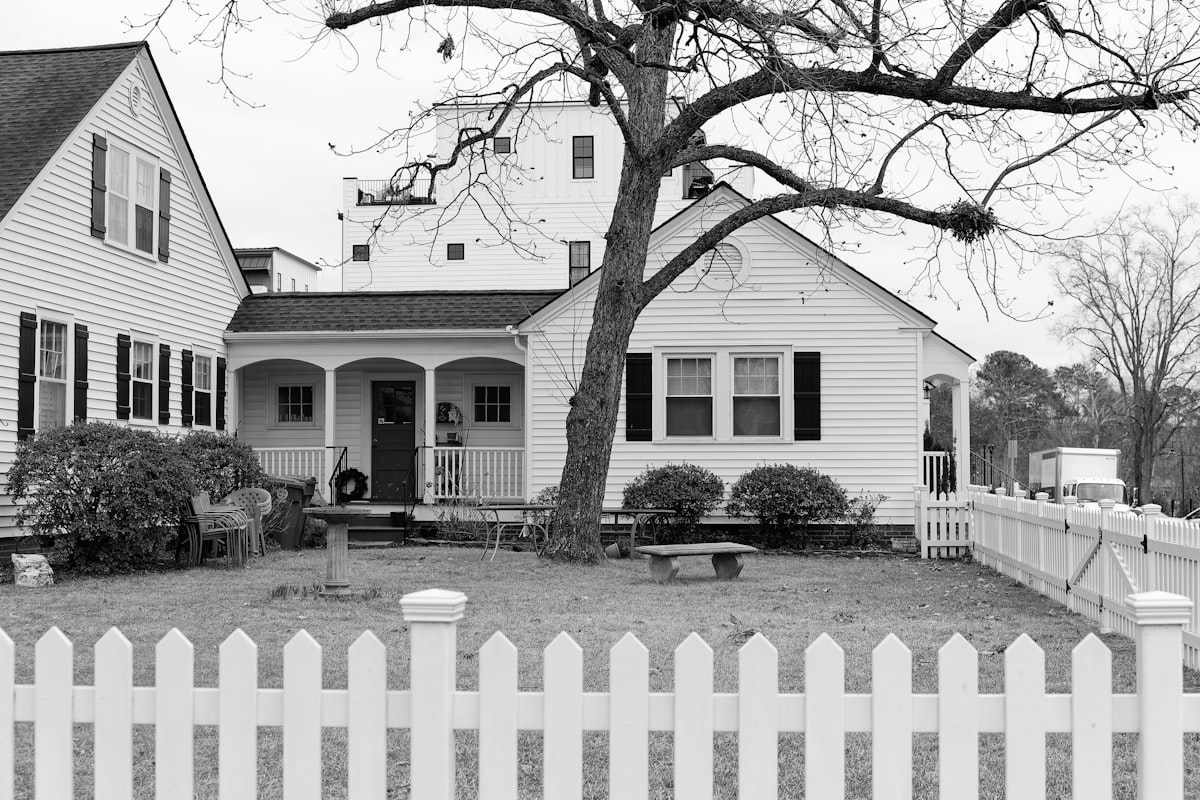
Cary consistently ranks top 10 safest U.S. cities. This reputation is earned through:
Cary Police Department is professional, visible, and responsive. Officers patrol neighborhoods regularly. Police respond quickly to calls. Community policing programs build relationships between police and residents. Professional training and community engagement support safety.
Cary's violent crime rate is well below national average. Property crime is manageable but exists. Most Cary neighborhoods have minimal crime. Some peripheral areas have slightly higher rates but remain safer than most suburban areas nationally.
Many Cary neighborhoods have active neighborhood watch programs with residents reporting suspicious activity. Neighborhood associations coordinate security awareness and communication. This community engagement deters crime.
HOAs enforce property maintenance, preventing blight that attracts crime. Well-maintained neighborhoods with active HOAs have lower crime. This is correlation or causation is debatable, but the relationship is clear.
Cary's median home price ($580K) and high median household income create affluent population. Affluence doesn't guarantee safety, but it correlates with lower crime rates. Residents have resources to move if crime increases, incentivizing prevention.
Before buying, research specific neighborhood crime using:
While Cary is generally safe, specific blocks have more crime. Research your specific address and surrounding blocks. Proximity to major highways (I-40, US-1) and commercial areas sometimes correlates with slightly higher crime. Residential blocks north of I-40 (Preston, north neighborhoods) typically have lower crime.
HOAs are standard in Cary; understand their fees, covenants, and enforcement before purchasing. Review financial health carefully. Cary's safety is genuine and contributes to property values and quality of life. Research specific neighborhoods and blocks to ensure you're comfortable with local safety. Done properly, HOA and safety research removes surprises and confirms Cary remains safe and well-maintained.
