
Guide to downsizing in Cary from large family homes to smaller, low-maintenance properties.
Empty nesters and retirees often downsize to reduce maintenance, free up equity, and simplify life. Here's your guide to downsizing in Cary.

Good timing indicators: kids moved out permanently, unable to maintain current home, want to reduce expenses, ready for new chapter. Timeline: typically 1-2 years of planning before move. Don't rush; thoughtful downsizing is more successful.
Ownership of unit plus shared common areas. HOA manages exterior, landscape, common areas. Monthly HOA fees ($300-$500+) cover maintenance. Sizes: studios to 2-3 bedrooms. Prices: $200K-$500K depending on location and size. Benefits: minimal maintenance, amenity access, security. Drawbacks: HOA restrictions, shared spaces, potentially limited customization.
Attached homes typically with private patio/yard. May include HOA for community amenities. More privacy than condos, less maintenance than single-family homes. Prices: $250K-$600K depending on location. Good middle ground between condo and single-family home.
Smaller traditional homes (1,200-1,800 sq ft) on smaller lots. Less yard maintenance than large family homes. More independence than condos/townhomes. Prices: $300K-$600K depending on neighborhood. Appeal to those wanting traditional home without burden of large property.
Age-restricted communities with homes/townhomes designed for retirees. Shared amenities (clubhouse, pool, fitness center). Social activities organized. HOA handles exterior maintenance. Prices: $250K-$500K. Benefits: peer community, built-in social scene, maintained appearance. Drawbacks: age restrictions, HOA rules, less diverse community.
Popular Cary options: Ashworth, Heritage Club, Reedy Creek

What's important: maintenance level, space needed, amenities, location, cost? Make list of priorities. Do you want yard? Community amenities? Single-story? Close to downtown? Walkable neighborhood? Knowing priorities focuses search.
Before selling family home, go through systematically. What do you actually use? What brings joy? Sentimental items: keep best memories (scan documents/photos), donate/discard others. "If I hadn't used it in 1 year, do I really need it?" Rule works for many. Aim to fit possessions into 60-70% of current space.
Photos, letters, documents: scan into digital format. Store on cloud and local backup. Reduces physical storage, creates backup, increases accessibility. Kids can access digital archives easily.
Furniture, books, collections: sell through Facebook Marketplace, Craigslist, eBay. Donate to Goodwill, Salvation Army, charities (tax deductible). Dispose of unusable items. Downsizing often generates $2,000-$10,000 from selling items.
Price competitively. Price aggressively if motivated to sell quickly. Work with realtor, stage home professionally. Spring/summer listing (April-May) optimal. Expect 60-day average sale timeline.
Closing on family home doesn't mean immediate downsizing transition. Rent temporary housing (1-3 months) while searching for perfect downsized home. Takes pressure off timing. Allows careful new-home selection.
Less stuff = easier move. Professional movers less expensive. Smaller home moves in 1-2 days vs. 3-5 days for large homes. After moving, fully unpack. Only keep items you've unpacked; donate anything remaining in boxes after 1 month.
Example: Selling $700K family home, buying $400K downsized condo
This scenario frees up $566K in equity. Additionally, smaller home reduces property tax (~$300/month savings), insurance (~$50/month savings), utilities (~$100/month savings). Total monthly savings: $450/month or $5,400 annually.
Loss of family home: Home holds memories. Acknowledge grief. Take photos, journal memories before selling. Remember you carry memories with you; home is just building.
Identity shift: Large family home is identity ("I have a big house"). Smaller home is different identity. Embrace new chapter rather than mourning old one.
Guilt about stuff: Inherited items, gifts may feel wasteful to discard. Remember: you honor gifts by using them, not storing them guilty. If you're not using it, let someone else enjoy it.
Family reactions: Kids might react strongly to losing childhood home. Involve them in process. Let them take meaningful items. Help them understand new chapter.
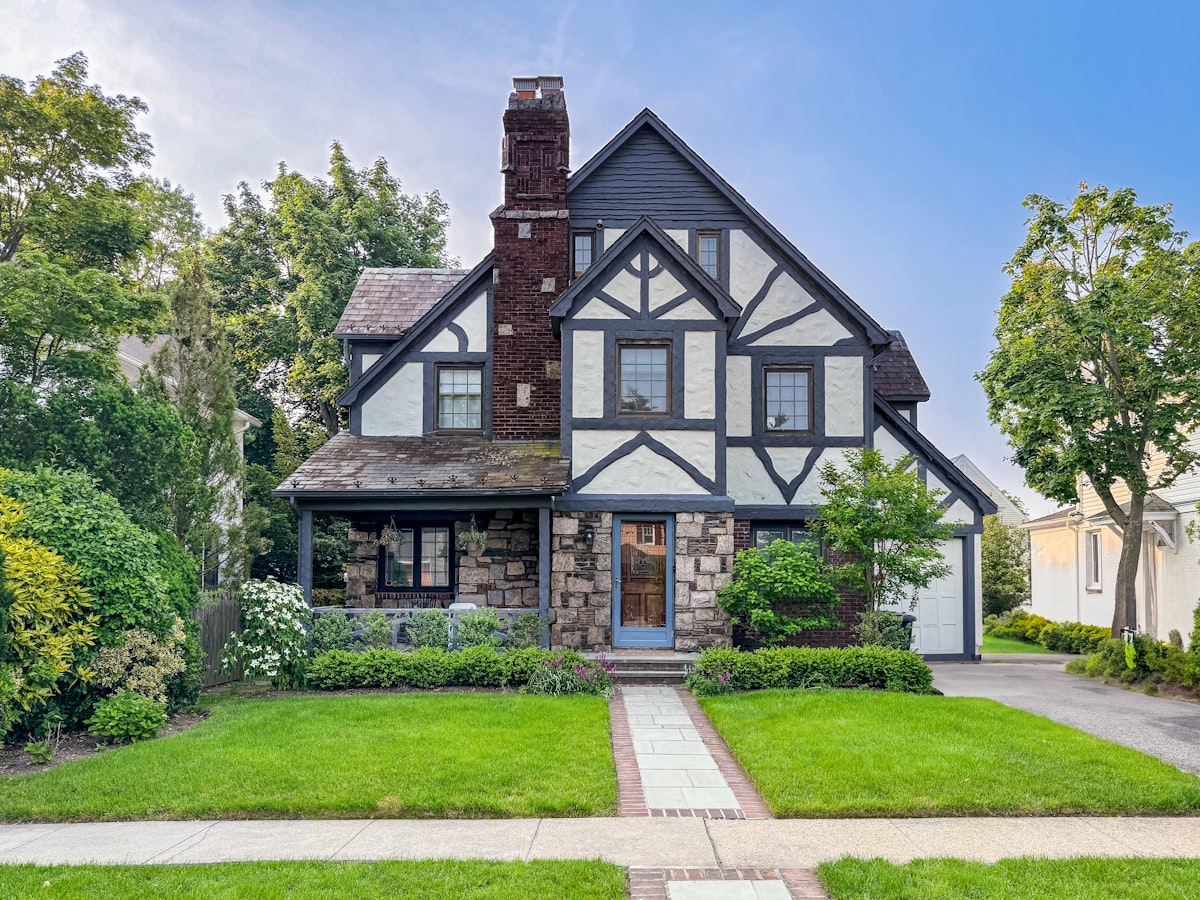
Downsizing in Cary is practical transition freeing up substantial equity while reducing maintenance burden. Condo, townhome, and small single-family options provide variety. Thoughtful process—purging, digitizing, selling—makes move less stressful. Downsizing frees resources for travel, grandchildren, hobbies. Embrace new chapter; smaller, simpler living is often more satisfying than large family homes. Cary offers excellent downsized options for this life transition.
