A detailed breakdown of housing costs, property taxes, utilities, groceries, and other expenses to help you budget for Cary living.
Cary, NC offers a higher cost of living than rural North Carolina but remains remarkably competitive compared to major metropolitan areas on the East Coast and beyond. Whether you're relocating from New York, Washington, D.C., San Francisco, or a neighboring Triangle city, understanding the true cost of living is essential for making a confident move. Here's a detailed breakdown of every major expense category.
One of Cary's strongest selling points is affordability relative to other tech and professional hubs. Here's a side-by-side comparison for a family of four:
Cary consistently comes in 20–40% less expensive than D.C. and 40–60% less than NYC or San Francisco, while offering comparable schools, safety, and access to major employers like SAS Institute, Epic Games, Cisco, MetLife, and dozens of Research Triangle Park companies.
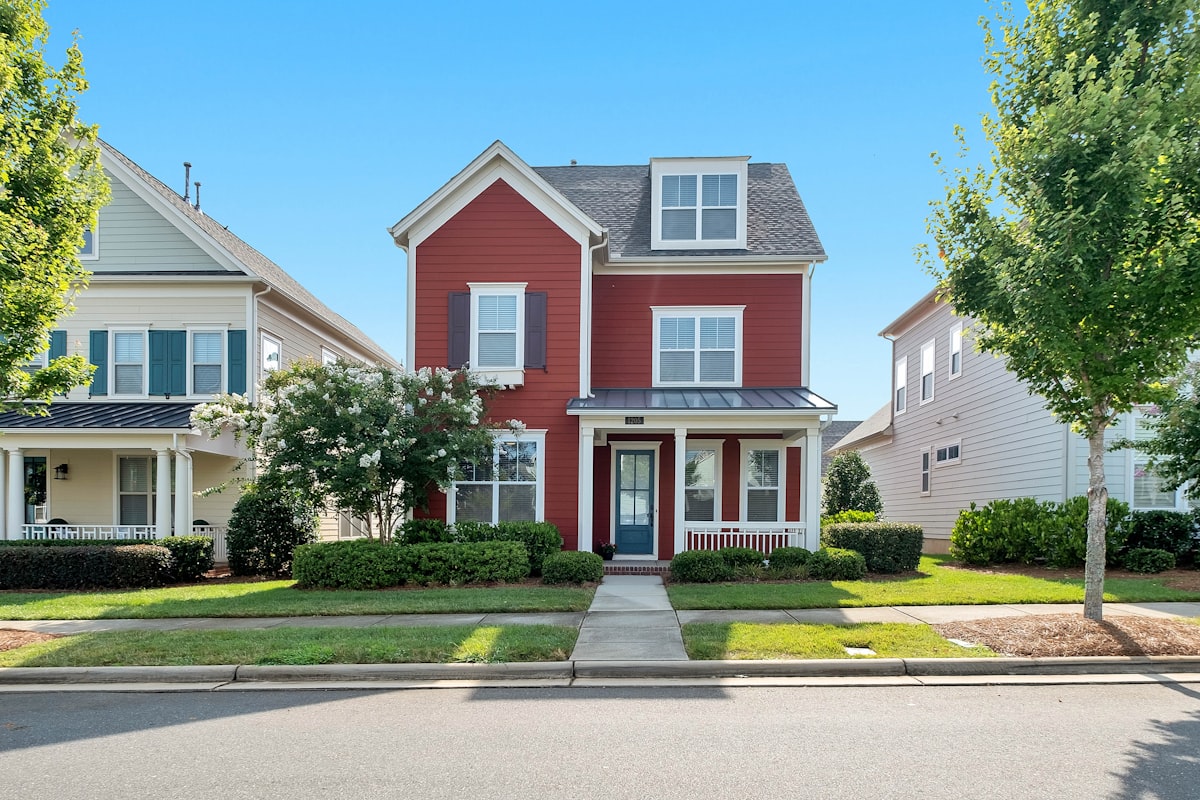
The median home price in Cary is approximately $580,000, though this varies significantly by neighborhood. Budget-conscious buyers can find homes in the $350,000–$450,000 range in developing areas such as southwest Cary near Holly Springs, while premium neighborhoods like Preston and Amberly command $700,000 and above. Rental prices average $1,600–$2,200 for a 2-bedroom apartment and $2,500–$3,500 for a 3-bedroom single-family home.
Cary's property tax rate is approximately 0.35% of assessed home value for the Town of Cary, plus Wake County's rate, totaling an effective combined rate around 1.04%. On a $580,000 home, expect annual property taxes of roughly $6,000–$6,500. This is relatively low compared to northeastern states (New Jersey averages 2.2%) but moderate compared to other North Carolina cities like Durham (~1.15%) or Raleigh (~1.05%).
Homeowner's insurance in Cary typically runs $1,000–$1,500 annually depending on home value, age, construction type, and coverage level. Cary's low crime rate helps keep premiums reasonable. Some insurers add wind/hail riders for hurricane-season exposure—budget an extra $200–$400 annually for comprehensive storm coverage. Shop among at least three insurers, as rates vary considerably.
Monthly utility costs for a typical 2,500-square-foot home average $120–$180 for electricity (Duke Energy), $30–$50 for natural gas (Piedmont Natural Gas), and $60–$80 for water/sewer (Town of Cary). Summer cooling and winter heating add variability, with peak months reaching $250–$300 for electricity in July–August and $50–$80 for gas during December–February.

Cary has excellent internet infrastructure with multiple providers competing on price:
Most households spend $60–$80/month on internet. Streaming has largely replaced cable TV, saving families $50–$100/month compared to traditional bundles.
Grocery costs are moderate, with monthly expenses for a family of four ranging from $800 to $1,200 depending on shopping habits. Cary offers Wegmans, Whole Foods, Harris Teeter, Trader Joe's, Publix, Aldi, and international markets like Grand Asia Market—giving residents options at every price point. Dining out ranges from $12–$18 for casual lunch entrees to $20–$35 for mid-range dinner. Fine dining at Herons at The Umstead runs $50–$80+ per person.
The Research Triangle region is car-dependent, and nearly every household needs at least one vehicle. Key transportation costs include:
Public transit via GoTriangle is limited but available for commuters headed to downtown Raleigh or Durham. RDU Airport is just 10–15 minutes from most Cary neighborhoods.
For families with young children, childcare is often the largest monthly expense after housing. Full-time daycare for infants runs $1,400–$1,800 per month at licensed centers like Primrose Schools, Goddard School, and KinderCare. Toddler and preschool programs are slightly lower at $1,200–$1,500 per month. After-school care for elementary-age children runs $400–$700 per month through YMCA of the Triangle and private providers. Au pairs and nanny-shares are growing in popularity, typically costing $1,500–$2,200 per month.
Cary has excellent healthcare access through UNC Health, WakeMed, and Duke Health, all within a 20-minute drive. A family health insurance plan through an employer averages $400–$700/month for the employee contribution. ACA Marketplace plans in Wake County range from $500–$900/month for a family of four (before subsidies). Blue Cross NC and Aetna are the primary marketplace carriers. Out-of-pocket costs for routine care (copays, prescriptions) are in line with national averages.

Understanding North Carolina's tax structure is critical for accurate budgeting:
Relocating families often overlook several expenses that add up quickly:
If you're weighing Cary against nearby options, here's how costs compare:
Cary commands a premium over all three for its established infrastructure, top-tier schools, retail depth, and greenway network. Whether that premium is worth it depends on your priorities.
Here's a realistic monthly budget breakdown for a family of four with a household income of $150,000 living in a $580,000 home:
After federal and state taxes on $150,000 gross income, take-home pay is roughly $9,800–$10,500/month. This is a tight but workable budget—many families supplement with bonuses, adjust childcare arrangements, or purchase below the median to create more breathing room.
Cary delivers a premium quality of life—top schools, low crime, excellent parks, and strong job access—at a fraction of what you'd pay in D.C., New York, or San Francisco. The key is budgeting accurately for the full picture, including HOA fees, lawn care, childcare, and storm preparedness that aren't always obvious from afar.
Have questions about budgeting for your move to Cary? Contact our team for a personalized cost-of-living consultation. We help relocating families build realistic budgets every day.
