A head-to-head comparison of Cary and Raleigh for families, covering schools, neighborhoods, amenities, cost, and lifestyle.
Cary and Raleigh are the Triangle's two largest cities, each attracting families for different reasons. Both offer excellent schools, vibrant communities, and strong job markets—but they have distinct personalities. Let's compare them to help you decide which is better for your family.
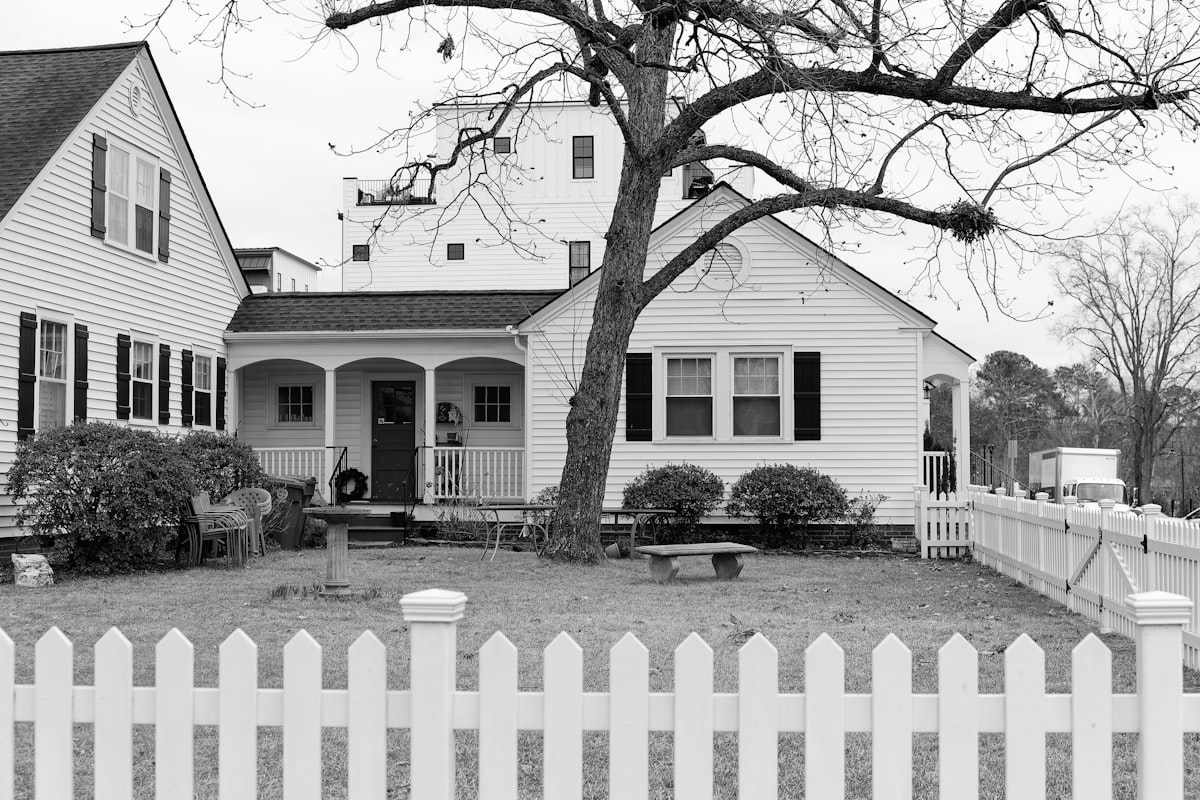
Cary edges out Raleigh in school reputation. Cary Schools are consistently ranked top-tier statewide, with Green Hope High School, Panther Creek High School, Mills Park Middle School, and Davis Drive Elementary leading the way. Raleigh's schools are solid and improving, but Cary's elementary schools particularly stand out for rigor and parent satisfaction. Winner: Cary (slight edge)
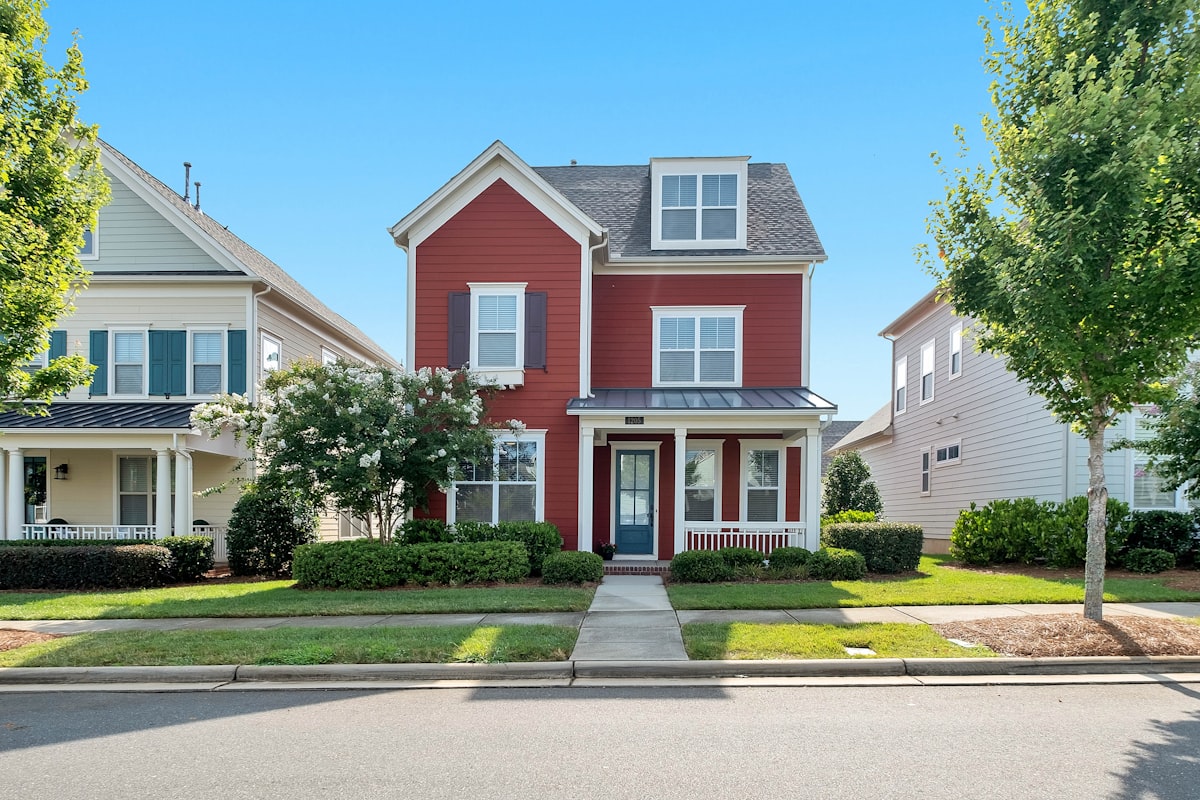
Raleigh offers more diverse neighborhoods—from walkable urban areas like Ridgmont and Haddon Hall to suburban developments. Median home prices in Raleigh average around $500,000, slightly lower than Cary's $580,000. Cary neighborhoods like Preston, Amberly, and MacGregor Downs are especially family-friendly but feel more homogeneous. Raleigh offers better variety for different family preferences. Winner: Raleigh (more diversity)
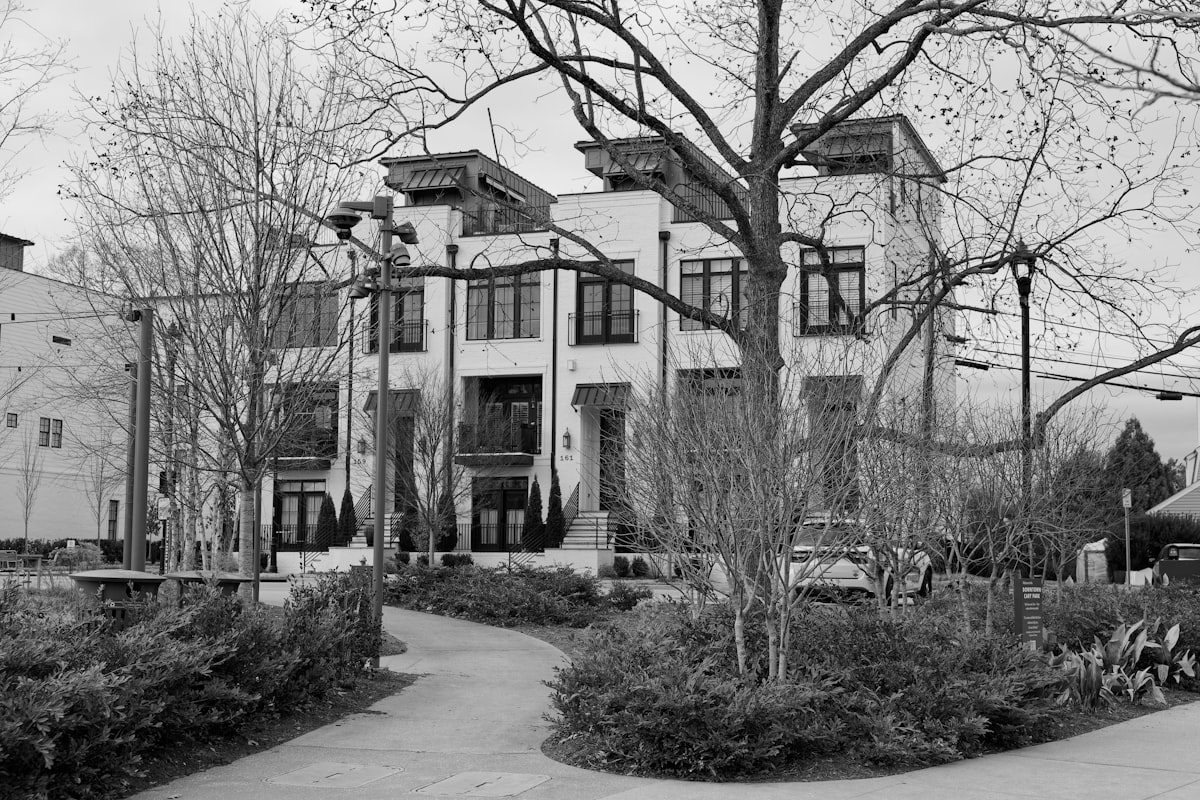
Raleigh has a more vibrant downtown with restaurants, shops, and nightlife within walking distance. The Warehouse District, Fayetteville Street, and Moore Square neighborhoods offer urban living. Cary's downtown has improved dramatically but remains more car-dependent. If walkability matters to your family, Raleigh wins. Winner: Raleigh (more walkable)
Cary's 80+ miles of greenway trails are exceptional and superior to Raleigh's park system. Bond Metro Park (310 acres) is spectacular. Both cities have excellent parks, but Cary's trail network is unmatched for biking and walking families. Winner: Cary (trail network)
Both cities rank well for safety, but Cary consistently places slightly higher in national rankings. Cary's top 10 safest cities status appeals to security-conscious families. Raleigh's crime rates are reasonable but higher than Cary's in some neighborhoods. Winner: Cary (slightly safer)
Raleigh is modestly more affordable—median homes around $500,000 vs. Cary's $580,000. Property taxes are comparable, but Raleigh's slightly lower home prices help. Winner: Raleigh (more affordable)
Both cities have excellent job access. Cary's proximity to Research Triangle Park (10-20 minutes) is ideal for tech and pharma workers. Raleigh has downtown corporate presence and growing tech sectors. For RTP jobs, Cary wins. For downtown Raleigh jobs, Raleigh wins. Winner: Tie (depends on your job location)
Raleigh's downtown offers more variety and walkable dining options. Cary's restaurant scene is growing with excellent spots like Herons at The Umstead and La Farm Bakery, but Raleigh has more density and variety. Winner: Raleigh (more options)
Cary feels more planned and suburban, with strong neighborhood communities. Raleigh feels more urban and diverse with distinct neighborhoods. Some families prefer Cary's cohesion; others prefer Raleigh's diversity. Winner: Tie (personal preference)
Choose Cary if: Schools are your top priority, you want a safe, planned community, you work in RTP, you value trail access, and you prefer suburban stability.
Choose Raleigh if: You want walkability, diverse neighborhoods, urban amenities, slightly lower costs, and dining variety.
Both are excellent for families. Cary excels in schools and safety. Raleigh offers walkability and urban character. Your choice depends on whether you prioritize suburban schools and planned community feel (Cary) or urban walkability and neighborhood diversity (Raleigh).
