Comparing Cary and Raleigh across housing, schools, dining, nightlife, commute times, and community feel to help you choose the right Triangle home.
The Cary NC vs Raleigh NC decision is one of the most common dilemmas facing Triangle homebuyers. Both offer exceptional quality of life, strong job markets, and access to Wake County resources. Yet the day-to-day experience is genuinely different. This detailed comparison breaks down the key differences across housing, commute, schools, lifestyle, and more to help you decide which city matches your priorities.
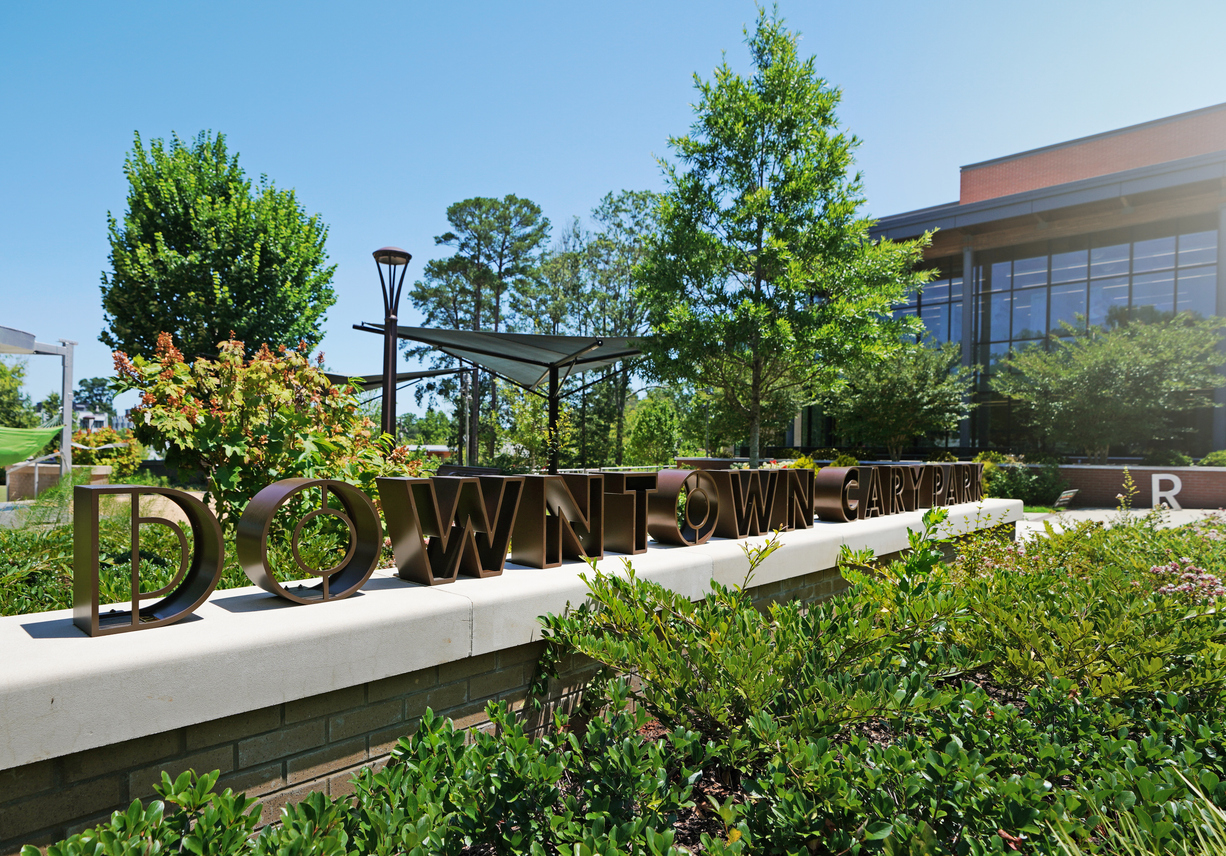
A polished, planned suburban community sometimes jokingly called the "Containment Area for Relocated Yankees." Cary is diverse, well-educated, and meticulously maintained. Every neighborhood feels intentional, with strong HOAs, manicured greenways, and top-rated schools. The town attracts tech professionals, families, and international transplants.
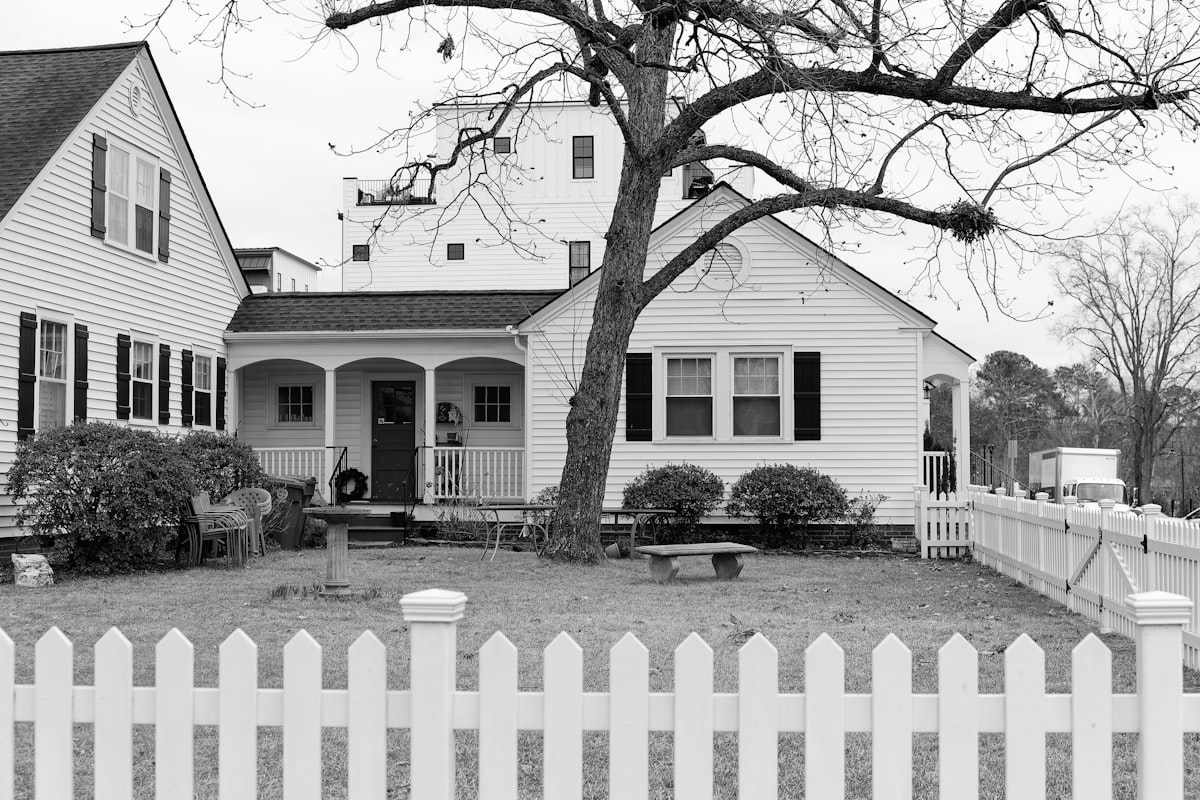
The state capital brings urban energy, anchored by NC State University, the Glenwood South entertainment district, world-class museums, and PNC Arena. Raleigh's neighborhoods range from historic Inside the Beltline (ITB) cottages to modern mixed-use developments like North Hills and Smoky Hollow. The city offers more variety but also more variability block by block.
Verdict: Cary wins by 10–15 minutes for RTP commuters. If you work at SAS, Epic Games, Cisco, or any RTP employer, Cary saves you meaningful drive time and fuel costs.
Verdict: Raleigh wins for state government employees, downtown law firms, and anyone working near Fayetteville Street.
Roughly equal — both cities have good airport access.
Raleigh offers a wider price range, from affordable outer neighborhoods to expensive ITB homes. Cary is more consistently priced at a higher median. Here is how the numbers compare:
The rates are close, but Cary homes tend to have higher assessed values, so the actual tax bill is often higher in Cary. Everyday expenses — groceries, gas, dining — are similar in both cities.
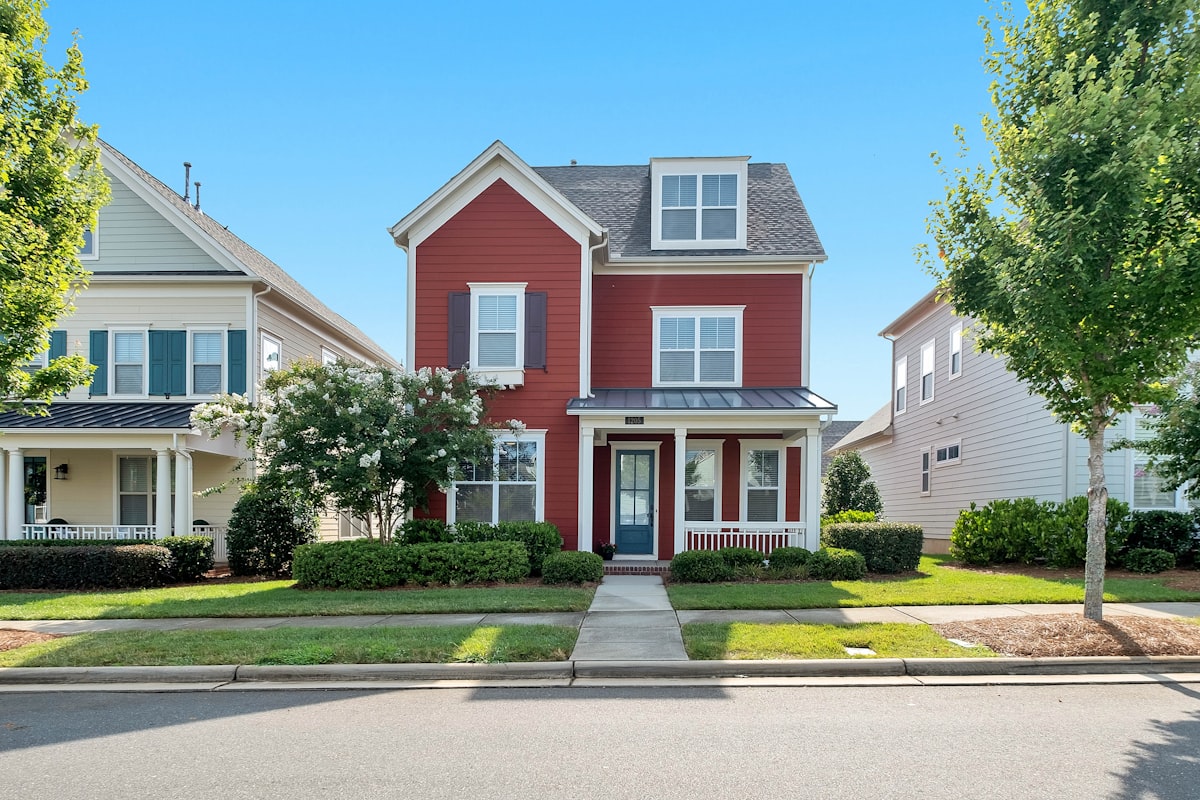
Preston, Amberly, MacGregor Downs: $500K–$800K+. Master-planned communities with predictable quality, strong resale values, and HOA-maintained common areas. Entry-level townhomes in Fenton and Downtown Cary start around $300K–$450K.
Inside the Beltline (ITB): $500K–$1M+ for charming older homes on tree-lined streets. North Hills / Midtown: $400K–$900K for modern condos and townhomes with walkable retail. Outer neighborhoods (Knightdale border, Southeast Raleigh): $300K–$450K for newer construction. More variety, but quality varies more street by street.
Both cities are served by Wake County Public School System (WCPSS), one of the largest districts in the nation. Cary holds a slight edge in average school ratings.
Verdict: Both cities have excellent options. Cary's public schools are more consistently high-rated across the board, while Raleigh offers more specialty magnet and charter options.
Cary's Wegmans is a genuine draw for many buyers — it is regularly cited as a relocation perk. Both cities have strong big-box retail (Target, Costco, Home Depot).
Raleigh has the edge here. Downtown Raleigh, Glenwood South, North Hills, and parts of ITB are genuinely walkable for daily errands and dining. Walk Scores in these areas reach 70–85.
Cary is car-dependent overall (Walk Score around 30–40 for most neighborhoods), but the Fenton district and Downtown Cary are changing that. Cary compensates with over 80 miles of paved greenways connecting neighborhoods — great for recreation, though not a replacement for walkable retail.
Raleigh is the Triangle's dining and nightlife capital. Glenwood South offers dozens of bars and restaurants within walking distance. Transfer Co Food Hall, Morgan Street Food Hall, and Person Street bring chef-driven dining. Multiple James Beard Award nominees call Raleigh home. Live music venues like Lincoln Theatre and The Ritz add to the scene.
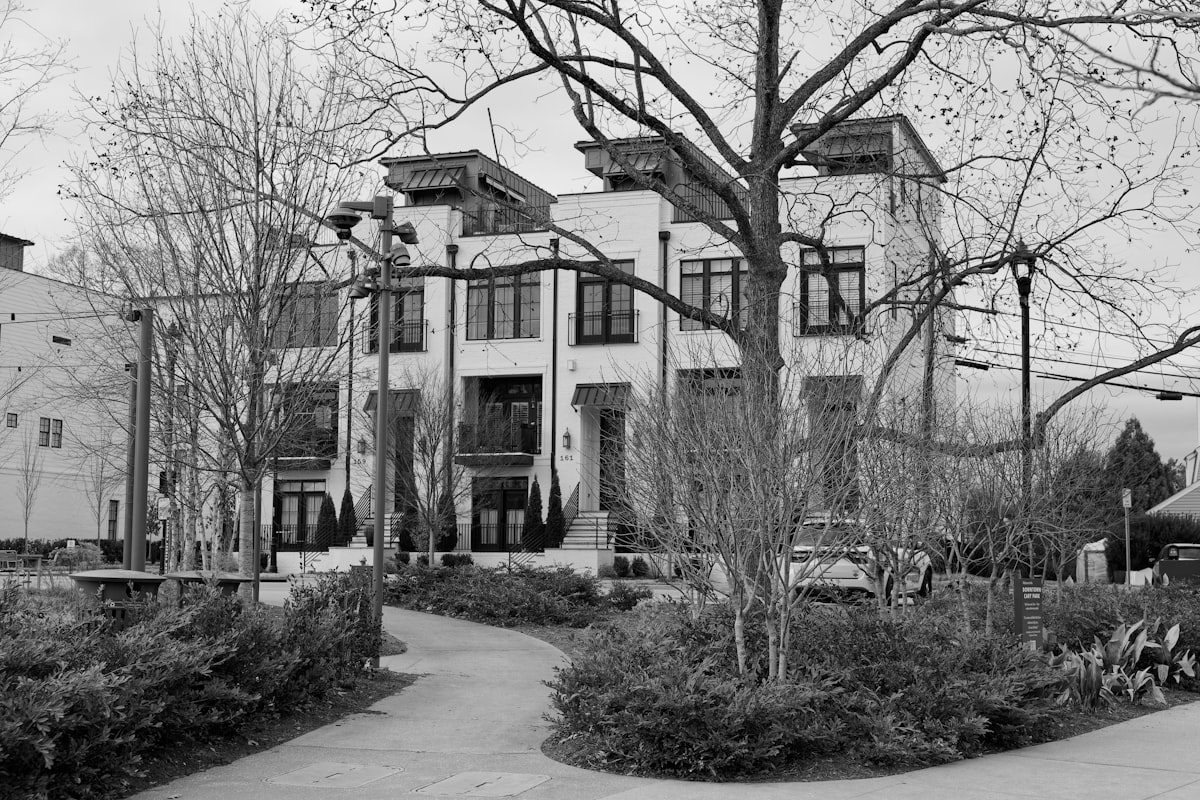
Cary is quieter after dark, but the food is excellent. Fenton has become a dining destination with Colletta, Jinya Ramen, and others. Park West Village offers Midtown Grille and Carolina Ale House. Cary's real strength is international cuisine — world-class Indian restaurants (Biryani Maxx, Saffron), Chinese, and Korean BBQ that rivals much larger cities. Local breweries include Southern Peak and Fortnight.
Verdict: Raleigh for nightlife and trendy dining. Cary for international cuisine and family-friendly restaurant experiences.
Both cities are diverse, but in different ways. Cary has one of the highest percentages of Asian-American residents of any city in the Southeast (roughly 22%), with thriving Indian, Chinese, and Korean communities that drive cultural events like the Diwali celebration and Chinese Lantern Festival. Raleigh has broader racial and socioeconomic diversity with larger Black and Hispanic communities and a wider range of income levels across neighborhoods.
Verdict: Raleigh has more total acreage (including Umstead), but Cary's parks are impeccably maintained and deeply integrated into neighborhoods. Cary's greenway-per-capita ratio is among the best in the state.
Raleigh has the region's Level I Trauma Center, but Cary residents are never more than 15 minutes from a major hospital. Both cities have excellent pediatric, urgent care, and specialty options.
Raleigh wins. Walkable neighborhoods like Glenwood South and North Hills, vibrant nightlife, and more affordable entry points (condos and townhomes under $350K). If you work downtown, the commute is short and the social scene is strong.
Cary wins. Consistently top-rated schools, safe neighborhoods, incredible parks and greenways, and family-oriented community events. Neighborhoods like Amberly, Preston, and Cary Park are built for families. The shorter RTP commute means more time at home.
Both work well. Cary offers low crime, walkable greenways, WakeMed Cary Hospital nearby, and quiet neighborhoods like Lochmere. Raleigh offers more cultural amenities (museums, theater, dining) and walkable urban living in North Hills or ITB. Consider what matters more: polish and safety (Cary) or variety and culture (Raleigh).
The Edwards Real Estate Group specializes in Cary and the Triangle. Whether you are leaning toward Cary's planned communities or Raleigh's urban energy, we can help you find the right neighborhood and the right home.
Contact us or visit movemetocarync.com to start your search. You can also read our complete guide to moving to Cary for a deeper dive into Cary neighborhoods, schools, and amenities.