
2026 housing market analysis including median prices, inventory levels, days on market, and market outlook.
Cary's real estate market remains strong, though moderating from pandemic highs. Understanding 2026 market dynamics helps buyers and sellers make informed decisions. Here's the current market landscape.
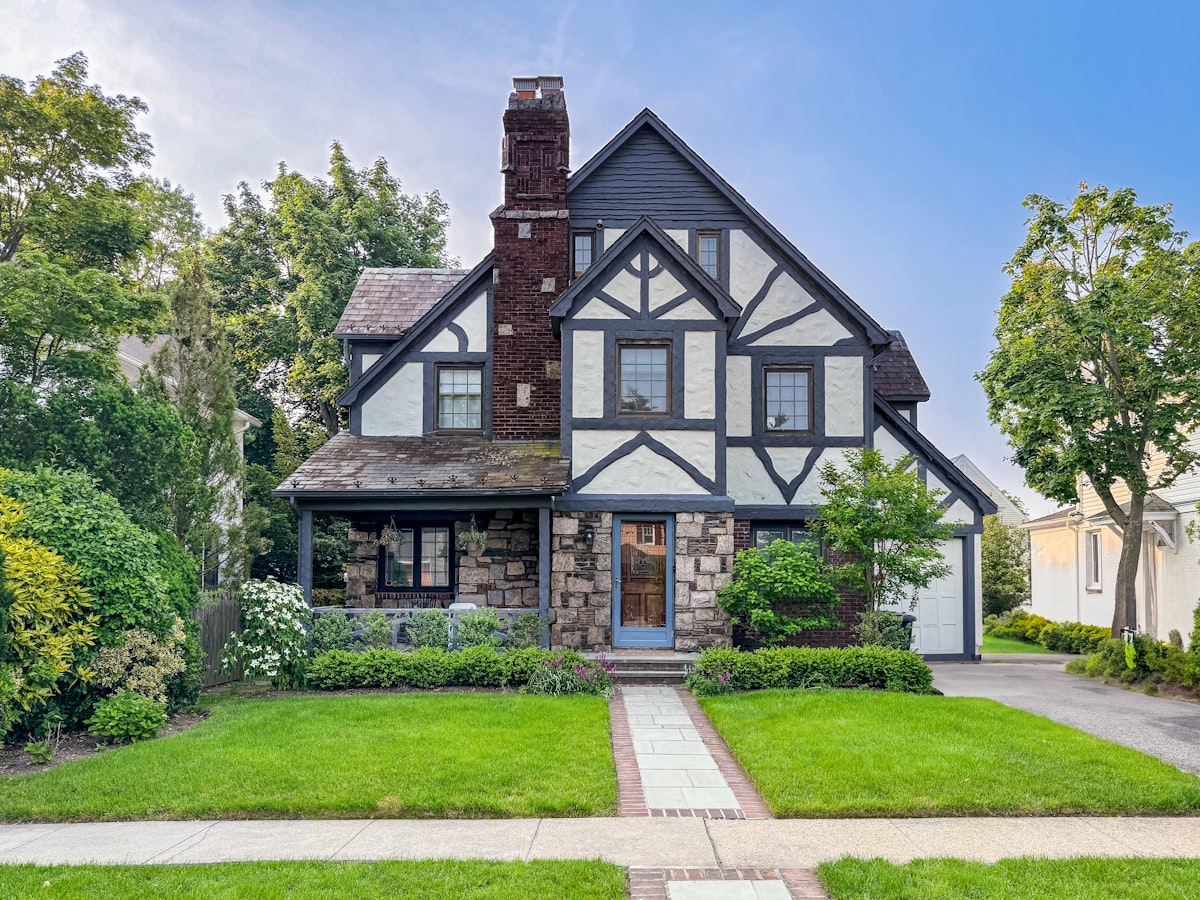
Cary's median home price is approximately $580,000, up modestly from 2025. This reflects strong demand from RTP professionals, excellent schools, and limited inventory. Price ranges vary significantly by neighborhood: Preston/Amberly ($700K-$1.1M), MacGregor Downs ($450K-$800K), Carpenter Village ($350K-$600K), and new construction communities ($400K-$700K). Homes under $400K are increasingly scarce in established neighborhoods.
Homes typically sell in 60 days on average, indicating a balanced market. Premium homes in desirable neighborhoods sell faster (30-45 days); newer construction takes slightly longer (75-90 days) as buyers negotiate terms. This moderate timeline gives sellers time to market effectively without emergency pricing, while buyers can make informed decisions without panic-buying.
Inventory remains tight compared to pre-pandemic levels. Months of inventory (homes available for 1-6 months of sales at current pace) hovers around 2-3 months—seller's market conditions but not extreme. Listing inventory improves seasonally (spring/summer brings more homes); falls in winter. Multiple offers are common for desirable homes, but bidding wars are less intense than 2021-2023.
Demand remains strong from multiple buyer groups: RTP tech/pharma professionals relocating for jobs, families relocating for Cary's schools, retirees seeking safe communities, and young professionals building careers. This diverse demand supports steady appreciation and market health. Population growth (Cary +3-4% annually) sustains underlying demand.

Mortgage rates significantly impact affordability. Current rates (2026) are approximately 6-7%, moderately higher than pandemic lows (3-4%) but lower than pre-pandemic rates (4-5%). Higher rates reduce buying power—a buyer approved for $580K at 3% can afford only $460K at 7%. This constrains price growth but hasn't triggered market collapse. Rates remain at historically reasonable levels.
Cary's long-term price appreciation reflects strong fundamentals: excellent schools, safety, job growth, and limited land supply. Expect 2-3% annual appreciation in normal market conditions, compared to national average of 2-4%. Cary should appreciate at or above national average due to migration, RTP growth, and desirability. However, dramatic price spikes (10%+ annually) are unlikely in 2026.
Preston/Amberly (North/Central): Stable pricing, limited inventory. Strong appreciation from school reputation and prestige. Slower turnover (families stay 10+ years).
MacGregor Downs/South Cary: Moderate appreciation. Higher turnover (families stay 5-7 years). Competitive market with multiple offers common.
Western Cary/Weatherstone: Rapid development creating new inventory. More modest appreciation initially, but appreciation accelerates as neighborhoods mature. Affordable entry points compared to established neighborhoods.
New Construction: Prices lag existing homes initially (new homes priced 10-20% above comparable resale), but appreciation aligns with resale market over 3-5 years.
Homes under $400K: Limited inventory, strong demand, appreciation potential. Competitive market; these homes sell quickly.
$400K-$600K: Largest inventory, most active market. Good appreciation potential. Balanced supply/demand.
$600K-$900K: Moderate inventory, selective demand. Strong appreciation in top neighborhoods. Some price resistance above $750K.
$900K+: Limited inventory, selective luxury buyers. Slower sales pace. Appreciation dependent on neighborhood prestige.
Sellers enjoy moderate advantage: limited inventory, steady demand, reasonable appreciation. However, homes must be priced realistically and in good condition to attract multiple offers. Overpriced homes languish 100+ days. Proper staging and marketing are essential. Sellers with flexibility on timing can market homes strategically during spring/early summer peak season.
Cary's market is sensitive to interest rates. Rate increases depress demand; rate decreases stimulate buying. If rates drop to 5-6%, demand surge and prices could accelerate. If rates rise above 7-8%, demand could constrain prices. Monitor Fed policy and mortgage rate trends when timing buying/selling.
Weatherstone and other western Cary developments add 500+ homes annually. This new inventory helps cap price appreciation in that segment but doesn't depress existing neighborhood prices (established neighborhoods remain desirable despite new competition). New construction is net positive for market—more buyers can enter at varied price points.
Cary's market is healthy and stable. Not a dramatic seller's or buyer's market, but moderate conditions favoring both sides. Strong fundamentals (schools, jobs, safety, growth) support long-term appreciation. 2026 is good time to buy if you find the right property; equally good time to sell if you price competitively.
